
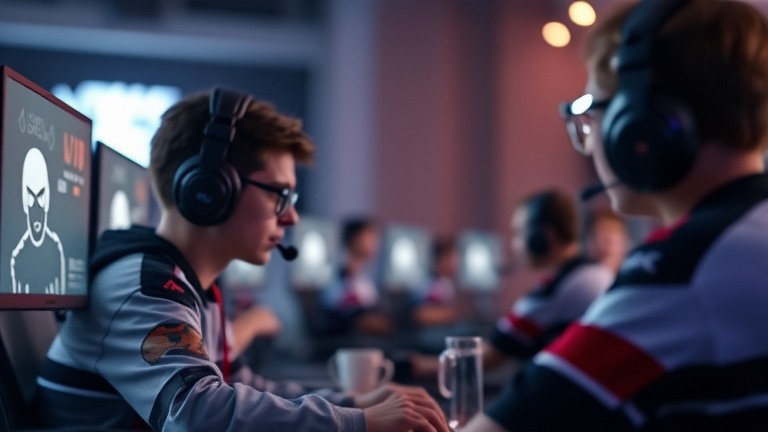
The esports industry is moving forward toward athlete wellbeing. Top esports companies are now launching comprehensive mental wellness programs, recognizing the substantial demands professional esports places on players. These programs include professional counseling, coping strategies, and player support systems designed specifically for esports athletes. As the industry develops, emphasizing mental wellbeing combined with athletic conditioning has become essential. This article discusses how major esports companies are revolutionizing player care and establishing benchmarks for player health in esports competition.
Industry Recognition of Mental Health Challenges
The esports industry has experienced substantial shift in accepting mental health as a critical component of athlete performance and wellness. For years, competitive gaming was largely focused on mechanical skill and strategic gameplay, with limited attention paid to the mental pressures facing professional players. However, mounting evidence of burnout, anxiety, and depression among esports athletes has prompted major organizations to reconsider their strategy. This shift signifies a development of the industry, departing from the perception that mental health concerns are merely personal issues to treating them as legitimate occupational hazards that demand organized help and resources.
The competitive esports landscape presents unique psychological stressors that set it apart from conventional athletic competition. Players face significant pressure from global audiences, relentless practice schedules, and the ongoing risk of career obsolescence due to rapidly evolving game metas. The youth composition of many esports professionals compounds these challenges, as many players are continuing to develop emotional regulation skills while managing the demands of competitive play. Lack of sleep, social isolation, and economic uncertainty further contribute to psychological vulnerabilities. Understanding these multifaceted challenges, leading organizations have started adopting comprehensive mental health frameworks to address the root causes of player distress.
Industry leaders now understand that supporting player mental health significantly impacts better results, team cohesion, and long-term sustainability. By focusing on mental health alongside physical training, organizations attract top talent and keep seasoned professionals who might otherwise leave competitive gaming. This recognition has catalyzed the creation of targeted psychological support initiatives tailored to competitive gaming demands. Major organizations are collaborating with psychological experts to create evidence-based interventions, demonstrating that the industry is dedicated to sustainable player development and establishing new standards for athlete care in competitive gaming.
Complete Support Programs
Major esports organizations are implementing layered mental wellbeing programs that respond to the distinct cognitive pressures of competitive gaming. These comprehensive initiatives transcend traditional support programs, delivering personalized resources that acknowledges the unique stressors competitive players experience. By combining mental health services, health initiatives, and peer support networks, organizations are building holistic ecosystems designed to promote lasting mental wellness and career sustainability for their players.
Expert Counseling Support
Major esports teams are partnering with certified psychological professionals who have expertise in athlete psychology and esports-related pressure. These therapists deliver personalized therapy tackling competitive anxiety, exhaustion, and personal challenges impacting players’ wellbeing. Organizations are ensuring confidentiality and accessibility, making available in-person and online options to accommodate players’ demanding schedules and physical locations across multiple regions worldwide.
The integration of sports psychologists into esports organizations signals a significant shift in industry standards. These specialists help players strengthen psychological toughness, handle performance stress, and sustain equilibrium between professional and personal commitments. By addressing psychological well-being with the same importance as athletic preparation, teams are reducing stigma and encouraging players to pursue help actively during challenging periods.
Wellbeing Initiatives and Available Resources
Esports organizations are rolling out extensive wellness strategies that address physical health, sleep quality, nutrition, and stress management. These programs acknowledge that mental health is tied to overall lifestyle factors. Players are coached on creating consistent practices, managing screen time, and maintaining fitness levels that bolster cognitive function and emotional resilience during rigorous competitive play.
Educational workshops and digital materials equip players with practical resources for emotional well-being. Organizations deliver availability of meditation apps, stress management methods, and sleep improvement approaches tailored for esports professionals. These tools are available on-demand, enabling players to develop customized health practices that align with their personal requirements and time constraints.
- Mindfulness and meditation training programs for stress reduction strategies
- Dietary guidance and nutrition planning tailored for gaming performance
- Sleep improvement workshops focusing on sleep cycle management
- Fitness programs designed for esports athletes and physical conditioning
- Community support groups fostering community and shared experiences
Impact and Future Prospects
The implementation of mental wellness programs by prominent gaming organizations is already demonstrating substantial benefits for player mental health and gameplay. Preliminary research suggests that competitors with psychological support and anxiety management resources experience enhanced focus, lower stress levels, and improved general wellbeing. These programs are driving a change in culture in competitive gaming, normalizing conversations about mental health and lowering social stigma. As additional companies adopt similar initiatives, the cascading influence is encouraging up-and-coming competitors and developing organizations to focus on mental health resources, creating a more holistic approach to esports competition that values mental resilience alongside mechanical skill.
Looking ahead, the outlook of esports psychological support appears growing promising and comprehensive. Industry experts forecast that mental health services will become common practice rather than optional add-ons, integrated into player contracts and organizational budgets. Emerging technologies such as AI-powered stress monitoring and virtual reality therapy sessions may improve support accessibility. Additionally, collaboration between esports organizations, sports psychologists, and academic organizations will likely drive research and innovation in this area. As the industry matures, psychological support initiatives will serve as essential components in recruiting players, improving retention rates, and positioning esports as a credible, athlete-focused competitive landscape.
